A Hunan key enterprise for Africa trade · 80 of 118 staff hired locally in Africa
Call us: +86 731 8876 6661
中文 / English
On August 27, 2025, data from the Changjiang Nonferrous Metals Network showed that electrolytic nickel (plate) was quoted in a range of 124,000-124,900 yuan/tonne, with an average price of 124,450 yuan/tonne, up 1,750 yuan/tonne from the previous trading day and marking the largest single-day gain of the week. This movement resonated with recent adjustments to US Federal Reserve policy expectations, disruptions to Indonesian nickel ore supply and restocking demand along the new energy industry chain, with nickel prices showing a rebound from oversold levels.
Fed Chair Powell sent a “dovish” signal at the Jackson Hole central bank symposium, and the market's expectation of a September rate cut rose from 70% to 89%. The dollar index fell 0.8% that day, supporting internationally priced nickel. Market concerns about Indonesia's nickel ore quota policy have not fully faded; although ore supply recovered after the rainy season ended, mine shipment schedules have been affected by policy uncertainty, leading to a phased tightening of spot market supply.
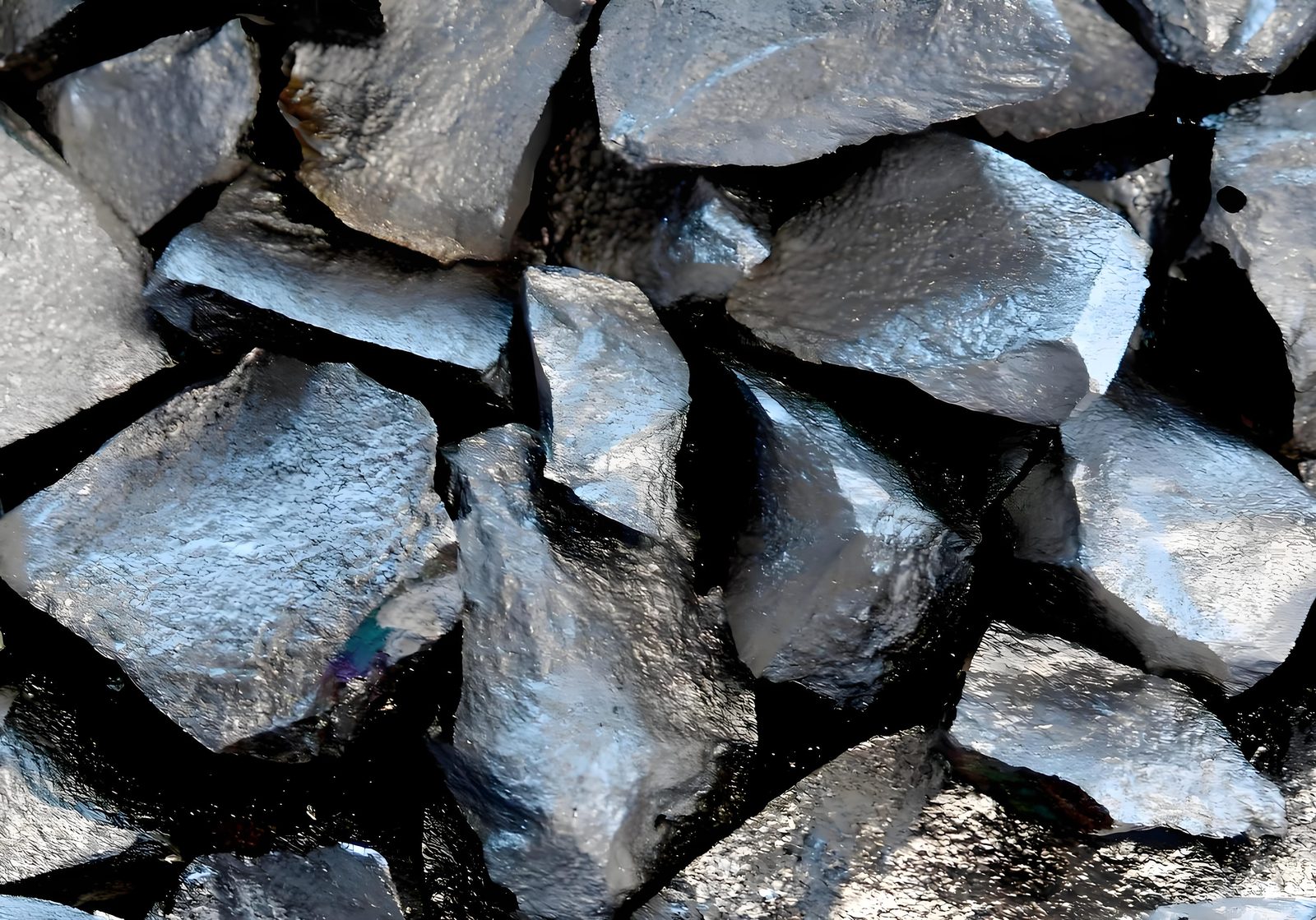
The current nickel price rebound is supported by rigid costs. Although domestic refined nickel enterprises maintain high operating rates, the ramp-up of new capacity has slowed, and combined with stabilizing nickel sulfate prices, some enterprises have shifted to high-grade nickel matte production to balance profits.
Demand divergence: uneven conditions in the new energy and stainless steel markets
Downstream demand shows structural characteristics. In the new energy sector, the trend toward higher nickel content in ternary lithium batteries continues, Tesla's Cybertruck mass production is driving marginal growth in nickel demand, and the shrinking market share of lithium iron phosphate batteries is a long-term positive for nickel consumption. In the stainless steel market, prices of 304 cold-rolled coils have recovered and steel mill schedules have increased, with demand recovery showing good sustainability. Demand in the alloy and electroplating sectors is relatively stable, accounting for 25% of total nickel consumption and supporting just-in-time purchasing in the spot market.
Short-term nickel prices are being pushed up by policy and capital flows, but volatility that may be triggered by the release of the Fed's PCE data (August 29) should be watched. Two main themes are worth following: first, nickel smelting enterprises with low-cost resource layouts; second, technology-leading nickel sulfate producers, in order to cope with the competition between high-nickel ternary and lithium iron phosphate technology routes.
© 金昂控股集团 · 转载请注明来源 https://www.jinanggroup.com/en/news/bV6e91jb.html